Why Should Every Scout Learn Fire Building Techniques?
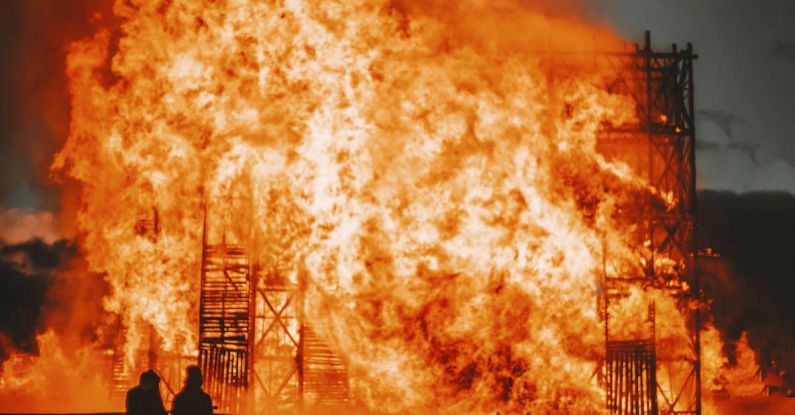
As the sun dips below the horizon, casting a golden glow over the wilderness, a group of scouts huddles around a crackling campfire. The warmth of the flames dances on their faces as they share stories and laughter, bonding over the shared experience of building and tending to the fire. In the world of scouting, mastering the art of fire building is not just a skill—it’s a rite of passage that offers a plethora of benefits. Let’s delve into why every scout should learn fire building techniques.
Enhances Survival Skills
In the vast expanse of the great outdoors, unforeseen circumstances can arise at any moment. Whether it’s getting lost on a hike or encountering unexpected rough weather conditions, knowing how to build a fire can be a literal lifesaver. Fire provides warmth, light, and can even be used for cooking food or purifying water. By equipping scouts with fire building techniques, they are better prepared to handle emergency situations and increase their chances of survival when venturing into the wilderness.
Fosters Self-Reliance and Independence
In today’s fast-paced world filled with technological advancements, the ability to start a fire with just the resources found in nature may seem like a primitive skill. However, mastering fire building techniques instills a sense of self-reliance and independence in scouts. By learning to rely on their knowledge and resourcefulness, scouts gain confidence in their abilities to overcome challenges and obstacles on their own. This sense of empowerment carries over into various aspects of their lives, fostering a can-do attitude and a resilient mindset.
Cultivates Appreciation for Nature
The crackling of a campfire, the scent of wood smoke in the air, the mesmerizing dance of flames—building a fire connects scouts to the natural world in a profound way. As they gather materials, select the perfect spot, and carefully tend to the fire, scouts develop a deeper appreciation for the environment around them. Fire building encourages them to observe their surroundings, learn about different types of wood, and understand the importance of fire safety practices to prevent forest fires. This heightened awareness fosters a sense of stewardship for the environment and instills a desire to protect and preserve nature for future generations.
Promotes Teamwork and Collaboration
Building a fire is not a solo endeavor—it requires coordination, communication, and teamwork. Scouts must work together to gather tinder, kindling, and fuel, assign roles, and execute the fire building process effectively. Through this collaborative effort, scouts learn to communicate, delegate tasks, and problem-solve as a team. They witness the power of synergy as individual contributions come together to achieve a common goal. The bonds forged during the shared experience of building a fire strengthen their sense of camaraderie and solidarity, laying the foundation for lasting friendships and a supportive scout community.
Encourages Creativity and Innovation
Fire building is as much an art as it is a science. Scouts are challenged to think creatively and innovatively as they experiment with different fire lay designs, test various ignition methods, and adapt to changing weather conditions. By encouraging scouts to think outside the box and try new approaches, fire building fosters a spirit of creativity and resourcefulness. This hands-on experience allows scouts to learn from trial and error, refine their techniques, and develop problem-solving skills that can be applied to diverse situations beyond the campfire.
Inspires a Sense of Tradition and Heritage
From the earliest days of human history, fire has been a symbol of warmth, light, and community. By teaching scouts fire building techniques, we pass down a timeless tradition rooted in our shared heritage. Scouts learn the ancient art of fire craft, connecting them to generations of explorers, pioneers, and survivalists who have relied on fire for sustenance and comfort. This sense of continuity and legacy inspires scouts to honor the past while embracing the future, instilling a sense of pride in their scouting journey and the skills they have acquired along the way.
In conclusion, the ability to build a fire is more than just a practical skill—it is a transformative experience that shapes scouts into resilient, self-reliant, and nature-loving individuals. By mastering fire building techniques, scouts enhance their survival skills, foster self-reliance and independence, cultivate appreciation for nature, promote teamwork and collaboration, encourage creativity and innovation, and inspire a sense of tradition and heritage. So, the next time you gather around a campfire with your fellow scouts, remember the valuable lessons learned through the simple act of building a fire, and let the flames ignite your passion for adventure and exploration in the great outdoors.