What Materials Are Best for Crafting Scout Badges?
Crafting Scout badges is a cherished tradition that embodies the values of scouting and the achievements of its members. The materials used in creating these badges play a crucial role in their durability, aesthetic appeal, and overall quality. From embroidered patches to metal pins, each material offers distinct advantages and considerations. In this article, we will explore the best materials for crafting Scout badges, helping you understand the options available for creating memorable and long-lasting insignias.
Embroidered Patches: Timeless Elegance and Versatility
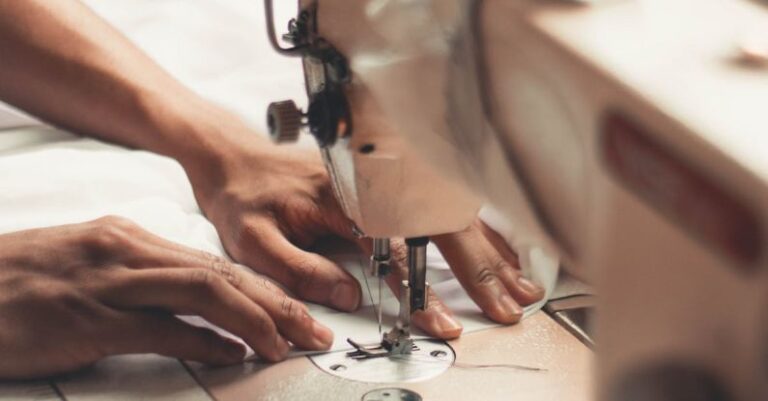
Embroidered patches are a popular choice for crafting Scout badges due to their timeless elegance and versatility. These badges are created by stitching colorful threads onto a fabric backing, resulting in a visually appealing design that can depict intricate details and vibrant colors. The durability of embroidered patches makes them ideal for long-term use, as they can withstand wear and tear without losing their shape or color.
One of the key advantages of using embroidered patches for Scout badges is the ability to customize designs to suit specific requirements. Whether depicting a troop’s emblem, a special event, or a badge of rank, embroidered patches offer endless possibilities for creativity and personalization. Additionally, these patches can be easily attached to uniforms, backpacks, or other clothing items, providing a convenient and stylish way to display achievements and affiliations.
Metal Pins: Durable and Professional
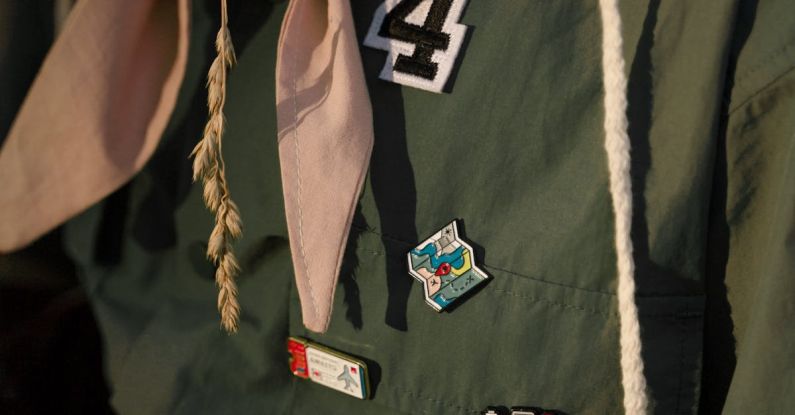
Metal pins are another popular choice for crafting Scout badges, known for their durability and professional appearance. These badges are typically made from materials such as brass, copper, or zinc alloy, offering a high-quality finish that conveys a sense of achievement and prestige. Metal pins can be designed in various shapes and sizes, allowing for intricate detailing and customization to reflect the unique identity of a Scout troop or individual member.
The longevity of metal pins makes them a reliable option for Scout badges that are meant to be cherished and displayed for years to come. Whether awarded for completing a challenging task or achieving a significant milestone, metal pins serve as tangible symbols of dedication and accomplishment within the scouting community. Their classic appeal and polished finish make them a popular choice for formal events, ceremonies, and official scouting occasions.
Plastic Badges: Lightweight and Cost-Effective
Plastic badges offer a lightweight and cost-effective option for crafting Scout insignias, ideal for larger orders or budget-conscious troops. These badges are typically made from durable plastic materials such as PVC or acrylic, which can be molded into various shapes and designs to suit specific requirements. While plastic badges may not have the same level of sophistication as metal pins or embroidered patches, they offer a practical and affordable solution for creating customized insignias.
The versatility of plastic badges allows for vibrant colors and bold designs that can attract attention and showcase creativity. Whether used for temporary badges, event souvenirs, or promotional items, plastic badges offer a practical and versatile option for scouting activities. Their lightweight construction makes them easy to transport and distribute, making them a convenient choice for badges that need to be shared among a large group of scouts.
Innovative Materials: Exploring New Possibilities
As technology and manufacturing techniques continue to evolve, new materials are being introduced for crafting Scout badges, offering innovative possibilities for design and functionality. Materials such as glow-in-the-dark thread, reflective fabrics, and eco-friendly plastics are now being utilized to create badges that are not only visually appealing but also environmentally conscious and safety-enhancing.
Exploring these innovative materials can open up new avenues for creativity and personal expression in badge design, allowing scouts to experiment with unconventional textures, finishes, and features. Whether incorporating LED lights for nighttime visibility or using recycled materials for sustainability, the use of innovative materials can add a unique and modern twist to traditional scouting insignias. By embracing these new possibilities, scouts can continue to uphold the spirit of innovation and adaptability that defines the scouting movement.
In Summary: Choosing the Right Material for Scout Badges
Crafting Scout badges is a meaningful and rewarding endeavor that requires careful consideration of the materials used in their creation. Whether opting for the timeless elegance of embroidered patches, the durability of metal pins, the affordability of plastic badges, or the innovation of new materials, each option offers distinct advantages and considerations for crafting memorable and high-quality insignias. By choosing the right material for Scout badges, scouts can showcase their achievements, affiliations, and values with pride and style, creating lasting mementos that embody the spirit of scouting for generations to come.