What Life Lessons Does Scouting Teach Young People?
Scouting, an organization that has been shaping the lives of young people for over a century, offers a plethora of invaluable life lessons that go far beyond learning how to tie knots or build a campfire. From fostering leadership skills to promoting teamwork and resilience, scouting provides a unique environment for personal growth and development. Let’s delve into the core life lessons that scouting teaches young people.
Building Resilience and Adaptability
In scouting, young people are exposed to various challenges and obstacles that test their resilience and adaptability. Whether it’s navigating through rough terrains during a hiking expedition or braving the elements during a camping trip, scouts learn to push past their comfort zones and embrace discomfort. These experiences instill in them the ability to bounce back from setbacks, think on their feet, and adapt to ever-changing circumstances—a crucial skill set that will serve them well in their personal and professional lives.
Embracing Diversity and Inclusivity
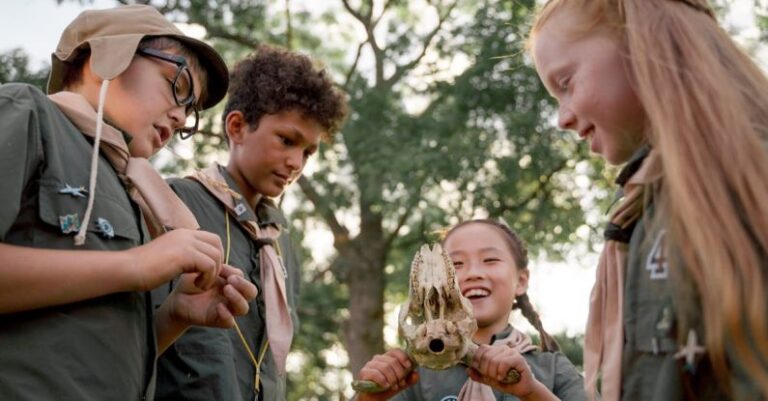
Scouting is a melting pot of diversity, bringing together individuals from different backgrounds, cultures, and beliefs. Through interactions with fellow scouts and leaders, young people learn the value of inclusivity and respect for others. They come to appreciate the strength that comes from embracing diversity and working collaboratively with individuals who bring unique perspectives to the table. This exposure to diversity helps scouts develop empathy, tolerance, and a broader worldview that extends beyond their immediate surroundings.
Promoting Leadership and Teamwork
One of the cornerstones of scouting is the emphasis on leadership development. Young people are given opportunities to take on leadership roles within their troop, whether it’s leading a camping trip, organizing a community service project, or guiding their peers through a challenging activity. Through these experiences, scouts learn to lead by example, communicate effectively, and inspire others to work towards a common goal. Moreover, scouting also nurtures teamwork skills, teaching young people the importance of collaboration, cooperation, and mutual support in achieving shared objectives.
Fostering Independence and Self-Reliance
Scouting encourages young people to take initiative, make decisions, and solve problems independently. Whether it’s planning a camping menu, navigating a map, or setting up a tent, scouts are given the autonomy to hone their self-reliance skills in a supportive environment. By learning to be self-sufficient and resourceful, scouts develop a sense of independence that empowers them to tackle challenges head-on and take ownership of their actions. This sense of self-reliance instills confidence and resilience, enabling young people to navigate life’s uncertainties with courage and determination.
Instilling Values and Ethics
Scouting is rooted in a set of core values that serve as guiding principles for young people as they navigate the complexities of the world around them. From the Scout Law’s emphasis on honesty, integrity, and respect to the Scout Oath’s commitment to duty, service, and self-improvement, scouting instills in young people a strong moral compass and ethical foundation. These values shape their character, inform their decisions, and guide their interactions with others, fostering a sense of responsibility and integrity that extends beyond their scouting journey.