What Is the Most Efficient Way to Tie a Secure Anchor?
When it comes to anchoring a boat or securing an object in place, the method used can make a significant difference in its security and stability. A strong and secure anchor knot is essential to ensure that your boat or belongings stay in place, especially in challenging conditions. In this article, we will explore the most efficient way to tie a secure anchor, providing you with valuable information to help you anchor with confidence.
Understanding the Importance of a Secure Anchor Knot
Before we delve into the specifics of tying a secure anchor knot, it is crucial to understand why this skill is essential. A properly tied anchor knot ensures that your boat or object remains stationary, even when faced with strong winds, currents, or sudden movements. A weak or improperly tied knot can lead to the anchor slipping, causing damage to your boat or resulting in the loss of your belongings. By mastering the art of tying a secure anchor knot, you can have peace of mind knowing that your possessions are safely anchored.
Choosing the Right Type of Knot for Anchoring
There are various types of knots that can be used for anchoring, each with its own set of advantages and applications. When selecting a knot for anchoring purposes, it is essential to consider factors such as the type of rope or line you are using, the size of the anchor, and the conditions in which it will be used. Some of the most commonly used knots for anchoring include the Bowline, Cleat Hitch, and Anchor Bend. Each of these knots has unique characteristics that make them suitable for different anchoring scenarios.
Mastering the Bowline Knot for Secure Anchoring
One of the most popular and versatile knots for anchoring is the Bowline knot. This knot is known for its strength and reliability, making it ideal for securing anchors in various situations. To tie a Bowline knot, follow these simple steps:
1. Form a small loop near the end of the rope, ensuring that the working end is on top.
2. Pass the working end through the loop from underneath, then wrap it around the standing end.
3. Bring the working end back down through the loop, creating a second loop within the first.
4. Tighten the knot by pulling on the standing end and the working end simultaneously.
The Bowline knot is easy to tie and untie, making it a popular choice for securing anchors quickly and securely. Its ability to maintain its strength even when wet or under tension makes it a reliable option for anchoring in various conditions.
Utilizing the Cleat Hitch for Secure Mooring
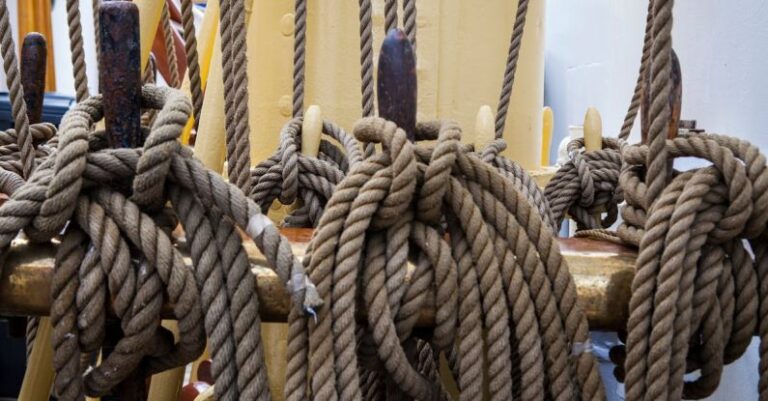
Another efficient knot for anchoring is the Cleat Hitch, which is commonly used for securing boats to cleats on docks or piers. To tie a Cleat Hitch, follow these steps:
1. Pass the rope around the base of the cleat, then cross over itself to form a figure-eight shape.
2. Wrap the rope around one horn of the cleat, then cross over to the opposite horn.
3. Continue wrapping the rope around each horn of the cleat in a figure-eight pattern, ensuring that each loop is secure.
The Cleat Hitch is a reliable knot for securing boats in place, providing a strong hold that can easily be adjusted as needed. Its versatility and ease of tying make it a valuable skill for anyone involved in boating or maritime activities.
Securing Anchors with the Anchor Bend Knot
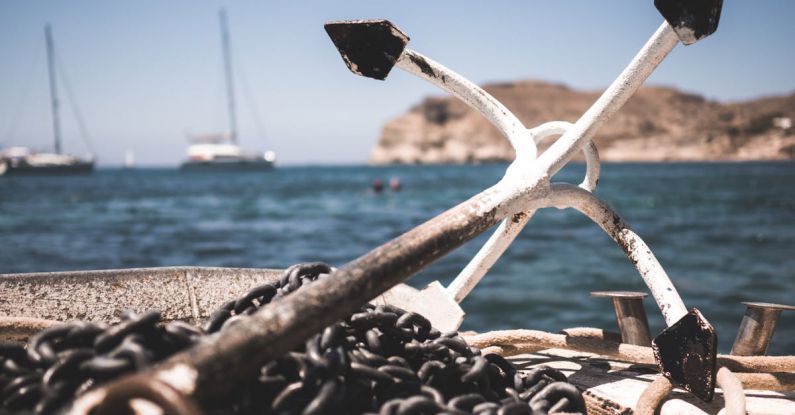
The Anchor Bend knot is specifically designed for anchoring purposes, providing a secure and reliable hold for anchors of all sizes. To tie an Anchor Bend knot, follow these steps:
1. Pass the rope through the anchor ring or eye from the bottom, then form a loop with the working end.
2. Wrap the working end around the standing end, then pass it back through the loop.
3. Tighten the knot by pulling on both ends simultaneously, ensuring that the knot is snug and secure.
The Anchor Bend knot is well-suited for anchoring applications where a strong and dependable hold is required. Its ability to withstand heavy loads and sudden movements makes it a preferred choice for anchoring boats, buoys, or other objects in challenging conditions.
Ensuring Safety and Security with Proper Anchor Knots
In conclusion, mastering the art of tying secure anchor knots is essential for ensuring the safety and security of your boat or belongings. By choosing the right type of knot for the specific anchoring scenario and practicing proper tying techniques, you can anchor with confidence and peace of mind. Whether you are securing a boat in a marina, anchoring a buoy in open water, or mooring a vessel to a dock, the efficiency and reliability of your anchor knot play a crucial role in maintaining stability and preventing accidents. Take the time to learn and practice the essential knots for anchoring, and you will be well-equipped to handle any anchoring situation with skill and precision.