
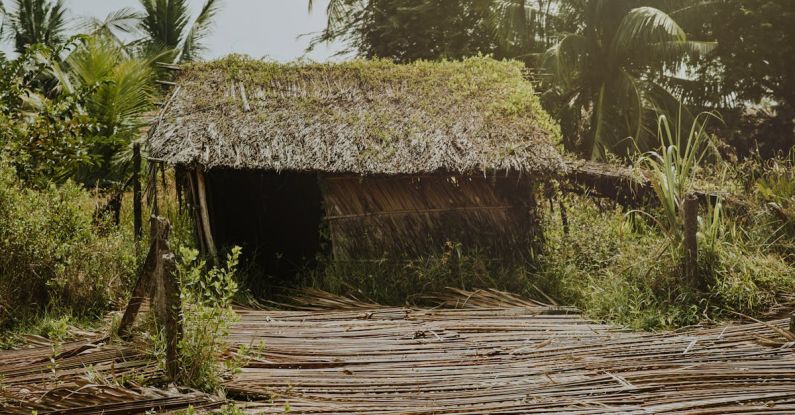
What Are the Vital Steps in Building a Shelter?
Embarking on the journey of building a shelter is a monumental task that requires careful planning, skill, and dedication. Whether you’re constructing a temporary shelter for a camping trip or a more permanent structure for homesteading, there are vital steps that must be followed to ensure the success and functionality of your shelter. In this article, we will delve into the key steps involved in building a shelter, guiding you through the process from start to finish.
Choosing the Right Location
The first crucial step in building a shelter is selecting the right location. The location of your shelter will greatly impact its overall effectiveness and comfort. When choosing a site, consider factors such as terrain, proximity to water sources, natural drainage, and prevailing winds. A flat, elevated area with good drainage is ideal for setting up a shelter. Additionally, make sure to avoid areas prone to flooding or natural hazards.
Gathering Materials
Once you’ve identified a suitable location, the next step is to gather the necessary materials for your shelter. The materials you choose will depend on the type of shelter you intend to build and the environment in which you are constructing it. Common materials used for shelter construction include wood, tarpaulin, rope, and natural materials such as branches and leaves. Ensure that you have all the required materials on hand before beginning construction to avoid delays.
Constructing the Framework
With your materials ready, it’s time to start building the framework of your shelter. The framework provides the structure and support for the shelter and determines its overall stability. If you’re building a simple shelter, you can use branches or poles to create a basic frame. For more complex structures, such as a cabin or a yurt, you may need to follow detailed plans or seek professional assistance. Ensure that the framework is sturdy and securely anchored to the ground to withstand the elements.
Adding Roof and Walls
Once the framework is in place, the next step is to add the roof and walls to your shelter. The roof provides protection from rain, snow, and sun, while the walls offer privacy and insulation. When constructing the roof, ensure that it is pitched at an angle to allow for water runoff and prevent pooling. For walls, you can use a variety of materials such as tarpaulin, canvas, or natural materials like mud or straw, depending on the type of shelter you are building.
Insulating and Waterproofing
Insulation and waterproofing are crucial steps in ensuring the comfort and durability of your shelter. Insulation helps regulate the temperature inside the shelter, keeping it warm in cold weather and cool in hot weather. You can use materials such as straw, leaves, or blankets to insulate the walls and roof of your shelter. Waterproofing is essential to protect your shelter from moisture and humidity. Apply a waterproof coating or sealant to the roof and walls to prevent leaks and water damage.
Creating Entry and Ventilation
An often-overlooked aspect of shelter construction is creating entry points and ventilation. Entry points allow for easy access to the shelter and should be positioned strategically to maximize security and convenience. Consider adding a door or flap that can be opened and closed as needed. Ventilation is essential for maintaining air quality inside the shelter and preventing condensation. Install vents or openings near the roof or walls to allow for airflow and reduce the risk of mold and mildew growth.
Maintaining and Upgrading
Once your shelter is built, it’s important to regularly maintain and inspect it to ensure its longevity and functionality. Check for any signs of wear and tear, damage, or pests that may compromise the integrity of the shelter. Make necessary repairs and upgrades as needed to keep your shelter in optimal condition. Consider adding amenities such as furniture, lighting, or additional insulation to enhance the comfort and usability of your shelter.
In conclusion, building a shelter is a multifaceted process that requires careful planning, skill, and attention to detail. By following the vital steps outlined in this article, you can construct a shelter that meets your needs and provides protection and comfort in any environment. Remember to choose the right location, gather materials, construct a sturdy framework, add roof and walls, insulate and waterproof, create entry and ventilation points, and maintain and upgrade your shelter as needed. With dedication and perseverance, you can create a shelter that serves as a safe haven and refuge in the great outdoors.