What Are the Fundamentals of Rope Care and Management?
**What Are the Fundamentals of Rope Care and Management?**
Ropes are an essential tool in many industries and recreational activities, from construction sites to rock climbing adventures. Proper care and management of ropes are crucial not only for their longevity but also for ensuring safety in various applications. By following fundamental guidelines for rope care and management, users can maintain the integrity of their ropes and minimize the risk of accidents or failures.
**Understanding Rope Materials**
Ropes come in a variety of materials, including nylon, polyester, polypropylene, and natural fibers like manila or hemp. Each material has its unique properties and characteristics that determine its strength, stretch, and resistance to abrasion and UV exposure. Understanding the material of your rope is the first step in proper care and management.
**Inspecting Ropes Regularly**
Regular inspection of ropes is essential to identify any signs of wear, damage, or weaknesses that could compromise their strength. Before each use, visually inspect the entire length of the rope for cuts, fraying, abrasions, or discoloration. Pay attention to any changes in the texture or diameter of the rope, as these could indicate internal damage.
**Cleaning and Maintenance**
Keeping ropes clean is crucial for their longevity and performance. Dirt, grime, and chemicals can weaken the fibers of the rope and reduce its strength. When cleaning a rope, use a mild detergent or rope-specific cleaner and lukewarm water. Avoid harsh chemicals or high temperatures, as they can damage the fibers. After cleaning, allow the rope to air dry away from direct sunlight or heat sources.
**Storage**
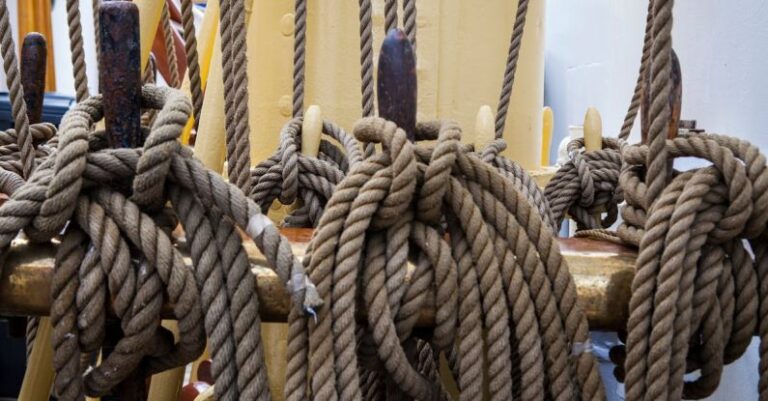
Proper storage is essential for maintaining the integrity of ropes when not in use. Store ropes in a cool, dry place away from sunlight, moisture, and chemicals. Avoid storing ropes in tightly coiled loops, as this can lead to kinks and twists that weaken the fibers. Instead, loosely coil the rope or hang it in a figure-eight pattern to prevent tangling.
**Handling and Use**
Proper handling of ropes during use is crucial for their longevity and safety. Avoid sharp edges, abrasive surfaces, or chemical exposure that can damage the fibers. When coiling or uncoiling a rope, do so carefully to prevent twists or kinks. Never step on a rope or subject it to sudden shocks or impacts that could cause stress on the fibers.
**Retirement Criteria**
Knowing when to retire a rope is as crucial as caring for it properly. Ropes have a limited lifespan based on their usage, exposure to elements, and overall condition. If a rope shows signs of significant wear, damage, or degradation that cannot be repaired, it is time to retire it. Using a compromised rope can lead to catastrophic failures and accidents.
**Training and Education**
Proper rope care and management require knowledge and skill. Invest in training and education on rope handling, inspection, and maintenance techniques. Stay updated on industry best practices and guidelines for rope care to ensure the safety and longevity of your ropes.
**Safety Practices**
Lastly, always prioritize safety when working with ropes. Use appropriate Personal Protective Equipment (PPE) when handling ropes, and follow established safety protocols and procedures. Regularly assess risks and hazards associated with rope use and take necessary precautions to mitigate them.
**In Summary**
Proper rope care and management are essential for the safety and longevity of ropes in various applications. Understanding the material of the rope, regular inspection, cleaning, storage, handling, retirement criteria, training, and safety practices are fundamental aspects of rope care. By following these guidelines, users can ensure that their ropes remain reliable and safe for their intended purposes.