
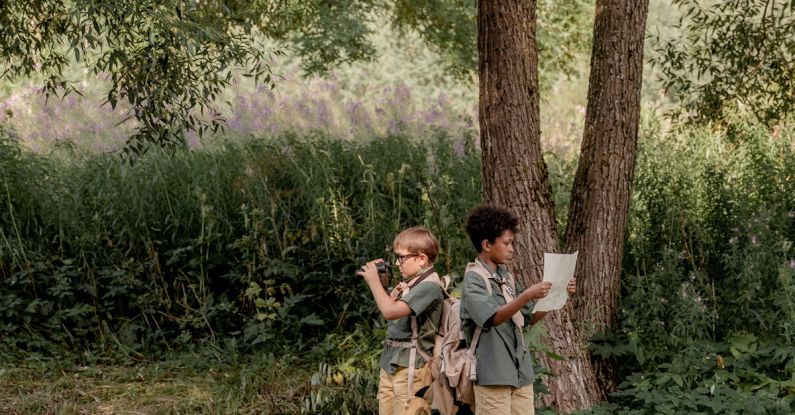
What Are Essential Orienteering Tips for Beginners?
Embarking on a new adventure in orienteering can be both exciting and intimidating for beginners. Orienteering is a sport that involves navigating through unfamiliar terrain using only a map and compass. To help newcomers get started on the right foot and build their skills, here are essential orienteering tips to consider.
Understanding Map Symbols and Legend
Before setting out on an orienteering course, it is crucial for beginners to familiarize themselves with map symbols and the legend. Maps used in orienteering are detailed and contain various symbols that represent different features such as roads, trails, vegetation, and contour lines. Taking the time to study and understand these symbols will make navigation much easier during the course.
Compass Basics
A compass is a vital tool in orienteering, helping to orient the map and determine direction. Beginners should learn how to hold a compass correctly and how to use it in conjunction with the map to find their way. Understanding how to take a bearing, follow a bearing, and adjust for declination are essential skills that will improve accuracy and efficiency in navigation.
Pacing and Timing
Developing a sense of pace and timing is crucial in orienteering, as it helps participants estimate distances traveled and predict when they will reach specific points on the course. Beginners can practice pacing by counting their steps over a known distance to establish a baseline for their stride length. This technique can then be used to gauge distances on the map and track progress during the course.
Route Planning
Effective route planning is key to successful orienteering. Beginners should take the time to analyze the course before starting and identify key features that can be used for navigation. By selecting prominent landmarks, handrails, and attack points along the route, participants can stay on track and avoid getting disoriented. Planning alternative routes and having a backup plan in case of unexpected obstacles is also advisable.
Terrain Assessment
Being able to read and interpret the terrain is a valuable skill in orienteering. Beginners should pay attention to features such as contours, vegetation, water bodies, and man-made structures to better understand the landscape they are navigating. By identifying distinct terrain features on the map and correlating them with what they see in the field, participants can stay on course and avoid getting lost.
Stay Relaxed and Focused
Orienteering can be mentally and physically demanding, especially for beginners. It’s important to stay calm, focused, and confident while navigating through the course. Panic and frustration can lead to poor decision-making and errors in navigation. By maintaining a positive attitude, staying relaxed, and focusing on the task at hand, beginners can improve their orienteering skills and enjoy the experience more fully.
Practice, Practice, Practice
As with any skill, practice is essential for improvement in orienteering. Beginners should take every opportunity to practice their map reading, compass skills, and navigation techniques in various terrains and conditions. Participating in orienteering events, training sessions, and workshops can also help beginners gain experience and learn from more experienced orienteers.
Conclusion: Embrace the Challenge
Orienteering is a challenging yet rewarding sport that offers a unique way to explore the outdoors and test one’s navigation skills. By following these essential orienteering tips for beginners and embracing the challenge, newcomers can develop their abilities, build confidence, and enjoy the adventure of navigating through diverse landscapes. Remember, orienteering is not just about reaching the finish line but also about the journey and the skills acquired along the way. So, grab your map and compass, step into the unknown, and let the adventure begin!