What Are Essential Knots for Camping and Hiking?
**What Are Essential Knots for Camping and Hiking?**
When embarking on outdoor adventures such as camping and hiking, it is essential to have a basic understanding of knot tying. The ability to secure gear, set up shelters, and navigate challenging terrain can greatly benefit from knowing a few key knots. Whether you are a seasoned outdoor enthusiast or a beginner looking to delve into the world of camping and hiking, mastering these essential knots will prove invaluable in various situations.
**Square Knot**
The square knot, also known as the reef knot, is a fundamental knot that is commonly used for joining two ropes of equal diameter. It is easy to tie and untie, making it ideal for securing items together or creating a makeshift clothesline. To tie a square knot, simply cross the right end over the left, then bring the left end over and under the right before tightening the knot by pulling both ends simultaneously.
**Bowline Knot**
The bowline knot is a versatile and reliable knot that creates a secure loop at the end of a rope. This knot is particularly useful for activities such as setting up a bear bag to store food out of reach of wildlife or securing a tarp to a tree. To tie a bowline knot, form a small loop near the end of the rope, pass the working end through the loop, around the standing part of the rope, and back down through the loop. This knot is known for its strength and can be easily untied even after bearing a heavy load.
**Taut-Line Hitch**
The taut-line hitch is a practical knot for adjusting the tension of a line, making it ideal for securing tent guy lines or creating a makeshift clothesline that can be easily tightened or loosened as needed. To tie a taut-line hitch, wrap the working end of the rope around a fixed object, then make two wraps around the standing part of the rope before passing the working end through the loop and tightening the knot.
**Clove Hitch**
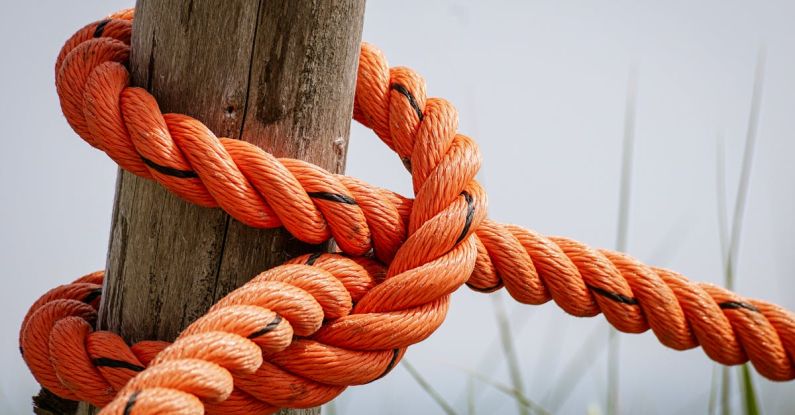
The clove hitch is a simple yet effective knot for securing a rope to a pole or stake. It is quick to tie and untie, making it a valuable knot for setting up a tarp shelter or creating a clothesline between two trees. To tie a clove hitch, loop the rope around the pole, cross the working end over the standing part, then tuck it under the standing part and pull it tight against the pole.
**Trucker’s Hitch**
The trucker’s hitch is a powerful knot for creating a mechanical advantage when tightening a line, making it useful for securing heavy loads or setting up a taut ridgeline for a tent. To tie a trucker’s hitch, start by creating a loop near the end of the rope, then pass the working end through the loop and wrap it around a fixed object. After securing the line with a couple of half hitches, use the mechanical advantage created by the knot to tighten the line as needed.
**Conclusion:**
Mastering these essential knots for camping and hiking can enhance your outdoor experience and provide you with the skills needed to navigate various challenges that may arise in the wilderness. By familiarizing yourself with these knots and practicing their techniques, you can feel confident in your ability to secure gear, set up shelters, and tackle any obstacles that come your way during your outdoor adventures.