How to Tie and When to Use a Bowline Knot?
Mastering the art of knot tying is a valuable skill for anyone who spends time outdoors, whether for work or recreation. Among the many knots in a seasoned knot-tyer’s repertoire, the bowline knot stands out as one of the most versatile and reliable. Learning how to tie a bowline knot and understanding when to use it can greatly enhance your safety and efficiency in various situations.
**What is a Bowline Knot?**
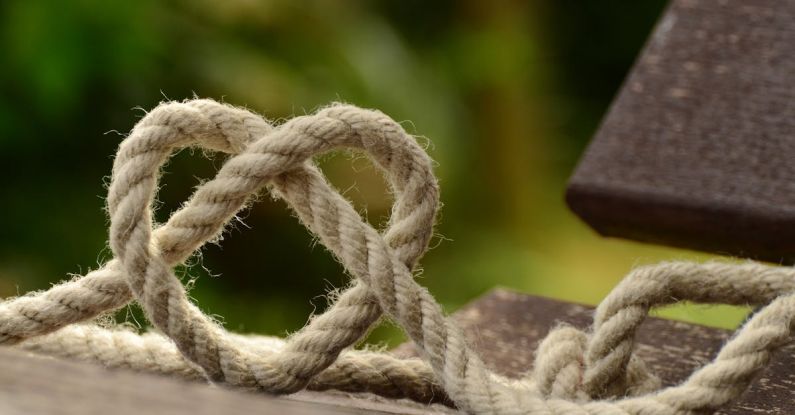
The bowline knot is a classic knot that creates a secure loop at the end of a rope. Its simplicity and strength make it a favorite among sailors, climbers, campers, and rescue workers. One of the key features of the bowline knot is that it does not slip or bind under strain, making it ideal for tasks where a fixed loop is needed.
**How to Tie a Bowline Knot**
To tie a bowline knot, follow these steps:
1. **Form a Loop**: Start by forming a small loop near the end of the rope. The working end of the rope should be on top.
2. **Pass the Working End Through the Loop**: Take the working end of the rope and pass it up through the loop from underneath.
3. **Wrap Around the Standing End**: Wrap the working end around the standing part of the rope and then bring it back down through the loop.
4. **Tighten the Knot**: Pull the working end to tighten the knot, ensuring that the loop does not collapse and that the knot forms a secure loop.
**When to Use a Bowline Knot**
1. **Securing a Boat**: The bowline knot is commonly used in boating to secure a boat to a dock or mooring. Its strength and reliability make it an excellent choice for this purpose.
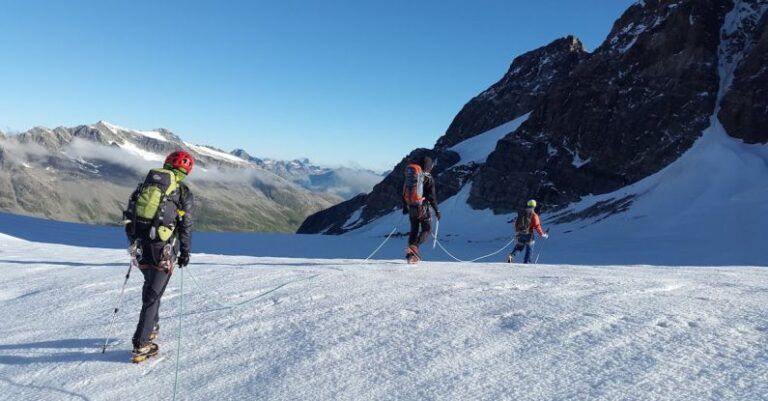
2. **Climbing and Rigging**: Climbers and riggers often use the bowline knot to attach a rope to a harness or anchor point. Its secure loop and resistance to slipping make it a safe choice for these activities.
3. **Rescue Scenarios**: In rescue scenarios, the bowline knot can be used to create a loop for lifting or lowering a person safely. Its non-collapsing loop design ensures the person’s security during the operation.
4. **Camping and Outdoor Activities**: Campers and hikers can use the bowline knot for various tasks such as hanging a bear bag, setting up a tarp shelter, or creating a makeshift clothesline. Its versatility and reliability make it a valuable knot to know in the wilderness.
**Tips for Tying a Secure Bowline Knot**
– Ensure that the loop formed by the bowline knot is not too loose or too tight. A properly sized loop is essential for the knot’s stability.
– Practice tying the bowline knot regularly to build muscle memory and improve your speed and efficiency.
– Check the integrity of the knot by giving it a firm tug after tying it to ensure that it is secure.
**In Summary**
The bowline knot is a fundamental knot that every outdoor enthusiast should master. Its simplicity, strength, and versatility make it a valuable tool in various situations, from boating and climbing to camping and rescue operations. By learning how to tie a bowline knot and understanding when to use it, you can enhance your safety and efficiency in the great outdoors. Practice tying this essential knot, and it will soon become second nature to you, ready to serve you well whenever the need arises.