How to Purify Water while Camping Without a Filter?
When venturing into the great outdoors, having access to clean water is essential for staying hydrated and healthy. While portable water filters are commonly used for purifying water while camping, there may be instances where you find yourself without one. In such situations, knowing alternative methods for purifying water can be a lifesaver. Whether you’re backpacking through remote wilderness or simply forgot to pack a filter, there are several effective ways to purify water without a filter.
Boiling Water
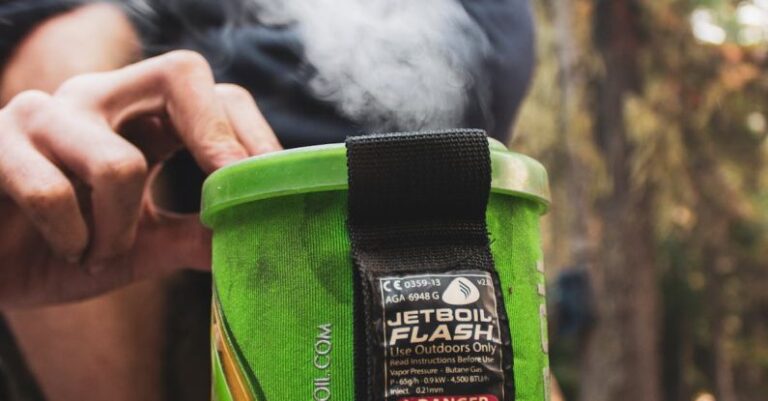
One of the most reliable methods for purifying water in the wilderness is by boiling it. Boiling water effectively kills pathogens and bacteria that can cause illnesses. To purify water through boiling, bring the water to a rolling boil for at least one minute (three minutes at higher elevations) to ensure that all harmful microorganisms are eradicated. Let the water cool before consuming it, and you’ll have a safe and clean water source.
Using Iodine Tablets
Iodine tablets are a convenient and lightweight option for purifying water when you don’t have a filter. These tablets are readily available at outdoor stores and are effective in killing bacteria, viruses, and other contaminants present in water. Simply follow the instructions on the packaging to properly disinfect the water. Keep in mind that iodine tablets are not recommended for pregnant women or individuals with thyroid conditions due to the iodine content.
Purification with Chlorine Bleach
Chlorine bleach can also be used to purify water in emergency situations. When using bleach for water purification, make sure it is unscented and does not contain any additional additives. Add eight drops of bleach per gallon of water, mix well, and let it sit for at least 30 minutes before drinking. The water should have a slight chlorine scent; if not, repeat the dosage and wait an additional 15 minutes before consuming.
Solar Water Disinfection (SODIS)
Solar water disinfection, also known as SODIS, is a simple and eco-friendly method for purifying water using sunlight. To utilize this method, fill a clear plastic bottle with water and place it in direct sunlight for six hours (or two days if it’s cloudy). The UV rays from the sun will kill harmful pathogens in the water, making it safe to drink. While SODIS is effective, it may not be suitable for all situations, especially in areas with limited sunlight.
Improvising a Gravity Filter
If you have a few basic supplies on hand, you can improvise a gravity filter to purify water without a commercial filter. All you need is a clean container, a piece of cloth or bandana to act as a filter, and gravity to do the rest. Simply pour the water through the cloth into the clean container, allowing gravity to filter out debris and particles. While this method may not remove all pathogens, it can help improve the water’s clarity and reduce the risk of contamination.
Conclusion: Staying Hydrated Safely
When you find yourself without a water filter while camping, knowing how to purify water using alternative methods can be a game-changer. From boiling water to using iodine tablets or chlorine bleach, there are several effective ways to ensure your water is safe to drink in the wilderness. By being prepared and knowledgeable about these purification methods, you can stay hydrated and healthy during your outdoor adventures. Remember, clean water is essential for survival, so always prioritize water safety while camping.