
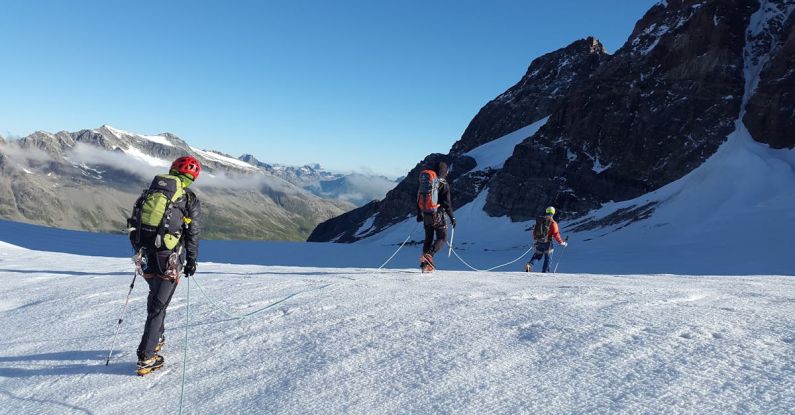
How to Plan a Successful Scouting Expedition?
Exploring the great outdoors through a scouting expedition can be an exhilarating and rewarding experience. However, the key to a successful scouting expedition lies in meticulous planning and preparation. By taking the time to plan ahead and consider all aspects of the journey, you can ensure a safe and enjoyable adventure. In this article, we will explore the essential steps to plan a successful scouting expedition.
Choose the Right Destination
Selecting the right destination is the first crucial step in planning a scouting expedition. Consider the interests and skill levels of the participants, as well as the time of year and weather conditions. Whether you choose a remote wilderness area or a local park, make sure the destination aligns with the goals of the expedition. Research the area thoroughly to understand the terrain, wildlife, and any potential hazards.
Create a Detailed Itinerary
Developing a detailed itinerary is essential for a successful scouting expedition. Outline the daily activities, including hiking routes, campsite locations, and any planned excursions. Factor in rest days and allow for flexibility in case of unexpected circumstances. Share the itinerary with all participants and ensure everyone understands the plan. Consider alternative routes or contingency plans in case of emergencies.
Gather the Right Gear
Having the appropriate gear is vital for a successful scouting expedition. Create a checklist of essential items such as tents, sleeping bags, cooking equipment, clothing layers, navigation tools, first aid supplies, and personal items. Consider the specific needs of the expedition, such as specialized gear for activities like rock climbing or kayaking. Distribute gear responsibilities among participants to ensure everyone contributes and shares the load.
Train and Prepare
Physical and mental preparation is key to a successful scouting expedition. Encourage participants to engage in regular physical fitness training to build stamina and endurance. Practice essential outdoor skills such as navigation, fire building, and first aid. Conduct training sessions on campsite setup, meal preparation, and Leave No Trace principles. Ensure all participants are familiar with safety protocols and emergency procedures.
Consider Food and Water
Proper nutrition and hydration are essential for the success of a scouting expedition. Plan nutritious and lightweight meals that provide energy for hiking and outdoor activities. Consider dietary restrictions and preferences of participants when selecting food items. Calculate the amount of water needed for the journey and identify water sources along the route. Pack water purification tools to ensure safe drinking water throughout the expedition.
Implement Leave No Trace Principles
Respecting the environment and minimizing impact is crucial during a scouting expedition. Teach participants about Leave No Trace principles, including proper waste disposal, campsite etiquette, and wildlife conservation. Encourage a pack-in, pack-out mentality to leave the natural environment as you found it. Minimize noise pollution and respect wildlife habitats to ensure a sustainable and responsible outdoor experience.
Stay Safe and Informed
Safety should always be a top priority during a scouting expedition. Conduct a thorough risk assessment and identify potential hazards such as weather changes, wildlife encounters, or injuries. Establish communication protocols and emergency procedures in case of accidents or emergencies. Monitor weather conditions and be prepared to adjust plans accordingly. Stay informed about local regulations and guidelines for outdoor activities.
Evaluate and Learn
After completing the scouting expedition, take the time to evaluate the experience and gather feedback from participants. Reflect on what worked well and areas for improvement. Discuss lessons learned and share insights to enhance future expeditions. Celebrate successes and accomplishments, and acknowledge the challenges faced along the way. Use the experience as a learning opportunity to grow and develop as a scouting team.
Incorporate these essential steps into your planning process to ensure a successful scouting expedition. By choosing the right destination, creating a detailed itinerary, gathering the right gear, training and preparing, considering food and water needs, implementing Leave No Trace principles, prioritizing safety, and evaluating the experience, you can embark on a memorable and rewarding outdoor adventure. Plan ahead, stay informed, and embrace the spirit of exploration as you embark on your next scouting expedition.