
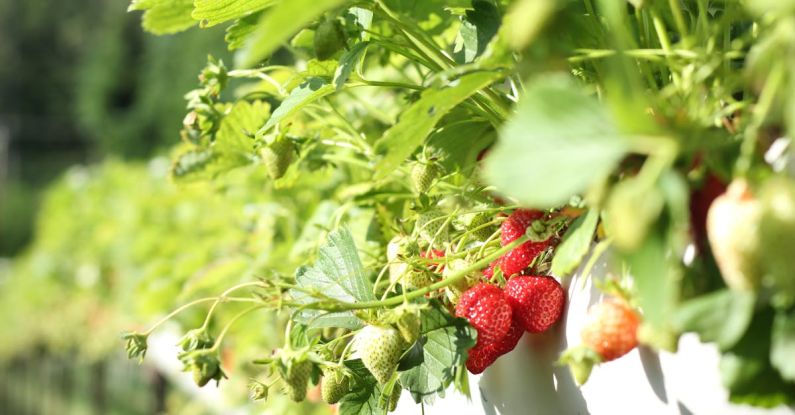
How to Identify Edible Plants while Hiking?
Hiking in the great outdoors can be a thrilling adventure, but it’s important to be cautious when it comes to foraging for edible plants along the way. Knowing how to identify which plants are safe to consume can make a significant difference in your hiking experience. In this article, we will explore some tips on how to identify edible plants while hiking to ensure you stay nourished and safe during your outdoor excursions.
Understanding the Basics of Edible Plant Identification
When it comes to identifying edible plants while hiking, knowledge is key. Before setting out on your hiking trip, take the time to research and familiarize yourself with the types of edible plants that grow in the region you will be exploring. Consider investing in a reliable field guide or mobile app that can help you identify different plant species based on their appearance, habitat, and other distinguishing features.
Observing Plant Characteristics
One of the first steps in identifying edible plants while hiking is to carefully observe their physical characteristics. Look for plants with recognizable features such as leaves, flowers, fruits, and stems. Pay attention to the color, shape, size, and texture of these parts, as they can provide valuable clues about the plant’s identity. Take note of any unique or distinctive features that can help you differentiate between edible and non-edible plants.
Smelling and Tasting
While it’s important to exercise caution when tasting unknown plants, using your sense of smell can also be a helpful tool in identifying edible plants. Many edible plants have distinct aromas that can help you determine their suitability for consumption. If you are uncertain about a plant’s edibility, you can crush a small portion of its leaves or stems and smell it to see if it has a pleasant or familiar scent. However, avoid tasting any plant unless you are absolutely certain of its safety.
Consulting with Experts
If you are new to foraging for edible plants, it can be helpful to seek guidance from experienced foragers or botanists. Local nature centers, botanical gardens, or outdoor education programs may offer workshops or classes on plant identification and foraging. By learning from experts in the field, you can gain valuable insights and practical tips that will enhance your ability to identify edible plants while hiking.
Testing for Edibility
When in doubt about a plant’s edibility, it’s best to err on the side of caution and refrain from consuming it. Some plants may have toxic look-alikes that can be harmful if ingested, so it’s crucial to be absolutely certain of a plant’s identity before consuming it. If you are unsure about a plant’s edibility, you can perform a skin contact test by rubbing a small portion of the plant on your skin and waiting to see if there is any adverse reaction. However, this method is not foolproof, so it’s always best to consult a reliable source before consuming any wild plants.
Conclusion: Staying Safe While Foraging
Identifying edible plants while hiking can be a rewarding skill that enhances your outdoor experience. By following these tips and guidelines, you can safely forage for wild plants and enjoy the bounty of nature without putting yourself at risk. Remember to always prioritize safety and caution when identifying and consuming wild plants, and never consume any plant unless you are absolutely certain of its edibility. Happy hiking and happy foraging!