How Does Altitude Affect Outdoor Cooking Times?
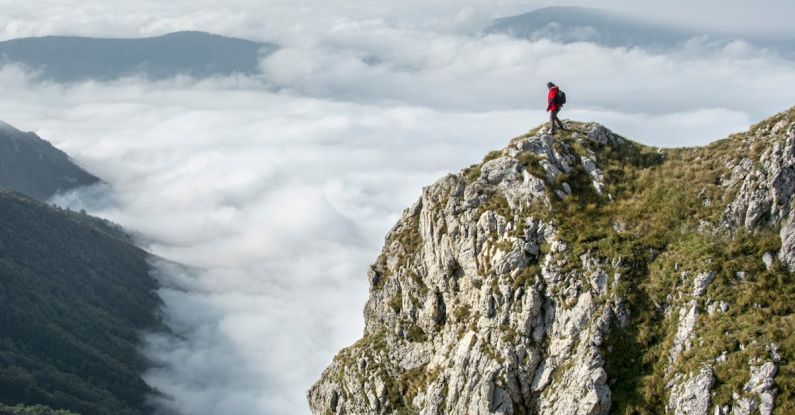
When it comes to outdoor cooking, one factor that often gets overlooked is the impact of altitude on cooking times. Altitude refers to the height above sea level, and as altitude increases, atmospheric pressure decreases. This decrease in pressure affects the boiling point of water, which in turn influences how food cooks. Understanding how altitude can affect outdoor cooking times is crucial for achieving perfectly cooked meals whether you are grilling, smoking, or using a campfire.
Altitude and Boiling Point
At sea level, water boils at 212°F (100°C). However, as altitude increases, the atmospheric pressure decreases, causing the boiling point of water to also decrease. For every 500 feet increase in altitude, the boiling point of water drops by approximately 1°F. This means that at higher altitudes, water boils at a lower temperature than at sea level. When cooking food that requires boiling or simmering, such as pasta or stews, the lower boiling point at higher altitudes can significantly impact cooking times.
Impact on Grilling
Grilling is a popular outdoor cooking method, but altitude can affect the cooking times and temperatures required for different types of food. At higher altitudes, the lower boiling point of water means that foods may take longer to cook on the grill. For example, if you are grilling vegetables that need to be parboiled before grilling, you may need to adjust the cooking time to account for the lower boiling point at altitude.
Additionally, the lower atmospheric pressure at higher altitudes can also impact the rate at which meat cooks on the grill. With reduced pressure, moisture evaporates more quickly, leading to drier cuts of meat if not monitored carefully. To combat this, you may need to adjust your grilling techniques, such as using a meat thermometer to ensure that the internal temperature reaches the desired level without overcooking the exterior.
Smoking and Altitude
Smoking meats is a popular outdoor cooking method that relies on low and slow cooking over indirect heat. However, at higher altitudes, the lower boiling point of water can affect the smoking process. Since smoking requires consistent low temperatures over an extended period, the reduced boiling point can lead to fluctuations in the cooking environment.
To address this, it is essential to monitor the temperature inside the smoker carefully and make adjustments as needed to maintain a consistent cooking environment. Using a quality smoker thermometer and checking the internal temperature of the meat regularly can help ensure that your smoked dishes turn out perfectly, even at higher altitudes.
Campfire Cooking Considerations
Campfire cooking is a beloved outdoor activity that brings a rustic charm to meals cooked in the great outdoors. However, when cooking over a campfire at higher altitudes, it is essential to consider the impact of altitude on cooking times. The lower boiling point of water can affect the cooking times of foods that require boiling, such as soups or stews, over an open flame.
When cooking over a campfire at higher altitudes, it may be necessary to increase the cooking time to ensure that ingredients are fully cooked through. Additionally, using a cast iron Dutch oven or other heavy cookware can help retain heat and cook food more evenly despite the challenges posed by altitude.
Adapting Your Outdoor Cooking Techniques
To overcome the challenges posed by altitude when cooking outdoors, there are several adjustments you can make to ensure your meals turn out perfectly every time. Here are some tips for adapting your outdoor cooking techniques at higher altitudes:
– Increase cooking times: When cooking at higher altitudes, foods may take longer to cook due to the lower boiling point of water. Be prepared to adjust your cooking times accordingly to ensure that ingredients are fully cooked.
– Monitor temperatures closely: Use a meat thermometer when grilling or smoking meats to ensure that they reach the appropriate internal temperature without overcooking. Additionally, keep an eye on the temperature inside your smoker or grill to maintain consistent cooking conditions.
– Use heavy cookware: When cooking over a campfire at higher altitudes, opt for heavy-duty cookware such as cast iron to help retain heat and cook food more evenly.
By understanding how altitude can affect outdoor cooking times and making the necessary adjustments to your techniques, you can continue to enjoy delicious meals prepared in the great outdoors regardless of your elevation. Whether you’re grilling, smoking, or cooking over a campfire, being mindful of the impact of altitude on cooking times will help you achieve culinary success even at high elevations.