
How Can Scouting Encourage Environmental Stewardship?
Scouting, with its emphasis on outdoor activities and nature exploration, plays a critical role in instilling a sense of environmental stewardship in young individuals. By engaging in various outdoor adventures and learning opportunities, scouts are encouraged to develop a deep respect for the environment and a commitment to protecting it for future generations. Through hands-on experiences and education, scouting organizations worldwide are helping to cultivate a generation of environmentally conscious leaders. Let’s explore how scouting can effectively encourage environmental stewardship among its members.
**Connecting with Nature**
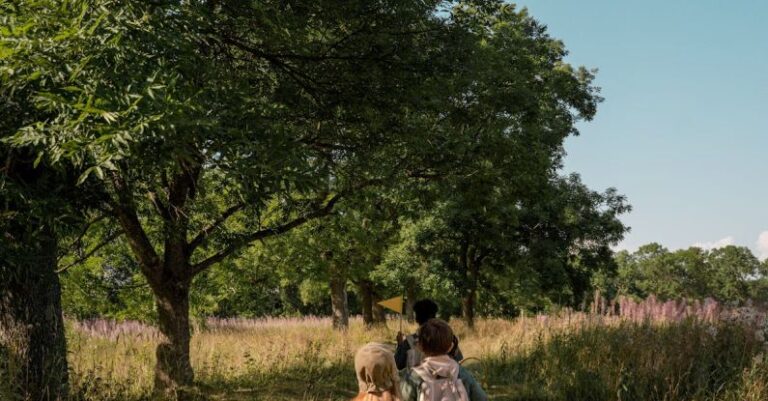
One of the fundamental ways scouting promotes environmental stewardship is by providing opportunities for scouts to connect with nature on a personal level. Through camping trips, hikes, and outdoor activities, scouts develop a deep appreciation for the natural world around them. By immersing themselves in the beauty of forests, rivers, and mountains, scouts learn firsthand about the importance of preserving these ecosystems. This direct connection with nature fosters a sense of responsibility and stewardship towards the environment.
**Education and Awareness**
Scouting also plays a crucial role in educating young individuals about environmental issues and conservation efforts. Through merit badge programs, workshops, and guest speakers, scouts learn about topics such as wildlife conservation, recycling, sustainable practices, and climate change. By gaining knowledge and awareness of these issues, scouts are empowered to take action and make informed decisions that positively impact the environment. Education is key to fostering a sense of responsibility and inspiring young scouts to become advocates for environmental protection.
**Hands-On Conservation Projects**
Another effective way scouting encourages environmental stewardship is through hands-on conservation projects. Scouts are actively involved in initiatives such as tree planting, beach cleanups, trail maintenance, and habitat restoration. By participating in these projects, scouts not only contribute to the preservation of natural habitats but also learn valuable skills and leadership qualities. These hands-on experiences instill a sense of pride and accomplishment in scouts, motivating them to continue making a positive impact on the environment.
**Promoting Sustainable Practices**
Scouting organizations are increasingly focusing on promoting sustainable practices within their programs and activities. From reducing waste and energy consumption during camping trips to incorporating eco-friendly practices in scout meetings, scouts are encouraged to adopt environmentally conscious behaviors in their daily lives. By incorporating sustainability into scouting activities, young individuals learn the importance of resource conservation and the role they can play in creating a more sustainable future for the planet.
**Inspiring Environmental Advocacy**
Through scouting, young individuals are inspired to become advocates for the environment and agents of change in their communities. By organizing awareness campaigns, participating in environmental initiatives, and engaging in discussions about pressing environmental issues, scouts learn how to effectively communicate their concerns and influence others to take action. Scouting empowers young individuals to use their voices and skills to advocate for policies and practices that promote environmental conservation and sustainability.
**Empowering Future Leaders**
In conclusion, scouting plays a vital role in encouraging environmental stewardship among young individuals. By providing opportunities to connect with nature, educating about environmental issues, engaging in hands-on conservation projects, promoting sustainable practices, and inspiring advocacy, scouting organizations are shaping a generation of environmentally conscious leaders. Through these experiences and teachings, scouts develop a deep respect for the environment and a commitment to protecting it for future generations. As scouts continue to embrace their role as stewards of the environment, they contribute to building a more sustainable and harmonious relationship between humanity and the natural world.