Can You Identify Different Types of Belay Knots?
Whether you are an experienced climber or just starting out, mastering the art of tying various belay knots is essential for ensuring safety during your climbing adventures. Belay knots are crucial for connecting the climbing rope to your harness securely, providing a reliable anchor point in case of a fall. Understanding the different types of belay knots and when to use them can make a significant difference in your climbing experience. Let’s delve into the world of belay knots and explore the various types you should know about.
### Figure-8 Knot
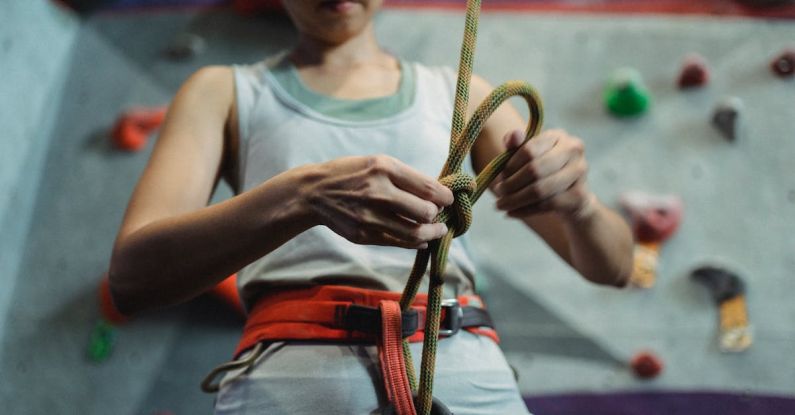
The Figure-8 knot is one of the most common and widely used belay knots in climbing. It is easy to tie and provides a secure connection between the rope and the harness. To tie a Figure-8 knot, simply make a loop in the rope and pass the end of the rope through the loop. Then, pass the end of the rope back through the loop in the opposite direction. Finally, tighten the knot by pulling both ends of the rope. The Figure-8 knot forms a distinctive figure-eight shape, making it easy to recognize and inspect for correctness before starting a climb.
### Double Figure-8 Knot
For added security, especially in high-stress situations or when climbing with heavy loads, the Double Figure-8 knot is a reliable choice. This knot is essentially two Figure-8 knots tied in succession, creating an extra layer of redundancy. To tie a Double Figure-8 knot, follow the same steps as for the Figure-8 knot, but make a second loop and pass the rope through it before tightening the knot. The Double Figure-8 knot is particularly useful in belaying and rappelling scenarios where safety is paramount.
### Bowline Knot
The Bowline knot is another popular belay knot known for its strength and reliability. It creates a fixed loop that can be easily adjusted and untied after bearing a load. To tie a Bowline knot, form a small loop in the rope and pass the end of the rope through the loop from underneath. Then, wrap the end of the rope around the standing part and pass it back through the loop. Tighten the knot by pulling the standing part and the end of the rope in opposite directions. The Bowline knot is ideal for creating secure anchors or attaching the rope to your harness during climbing.
### Clove Hitch
The Clove Hitch is a versatile belay knot commonly used for anchoring to bolts or other fixed points during climbing. It is quick to tie and adjust, making it a favorite among climbers for its ease of use. To tie a Clove Hitch, simply wrap the rope around the anchor point and cross it over itself to create two loops. Then, cross the rope over itself again, tucking it under the second loop to secure the knot. The Clove Hitch can be easily adjusted to accommodate different rope lengths or angles, making it a valuable knot to have in your climbing repertoire.
### Prusik Knot
When it comes to ascending or descending a rope, the Prusik knot is an indispensable tool for climbers. This friction hitch knot allows you to grip the rope securely while moving up or down without the need for specialized equipment. To tie a Prusik knot, loop a smaller diameter rope or cord around the main climbing rope multiple times. Then, pass the ends of the loop through itself to create a secure attachment. The Prusik knot can be easily adjusted along the rope as needed, providing added safety and control during technical maneuvers.
### Reef Knot
The Reef Knot, also known as the Square Knot, is a simple and effective belay knot for joining two ropes of equal diameter together. It is commonly used in situations where a longer rope length is required, such as setting up a rappel or creating a makeshift anchor point. To tie a Reef Knot, cross the two ropes over each other and pass one end under and through the loop created. Then, cross the ropes in the opposite direction and pass the other end under and through the loop again. The Reef Knot should lie flat and tight when properly tied, ensuring a secure connection between the ropes.
### Conclusion
Mastering the art of tying different types of belay knots is a fundamental skill for climbers of all levels. Each type of belay knot serves a specific purpose and offers unique advantages in various climbing scenarios. By understanding when and how to use these knots effectively, you can enhance your safety, control, and confidence while tackling challenging routes. Practice tying these essential belay knots regularly to ensure proficiency and reliability when it matters most in the vertical world.