
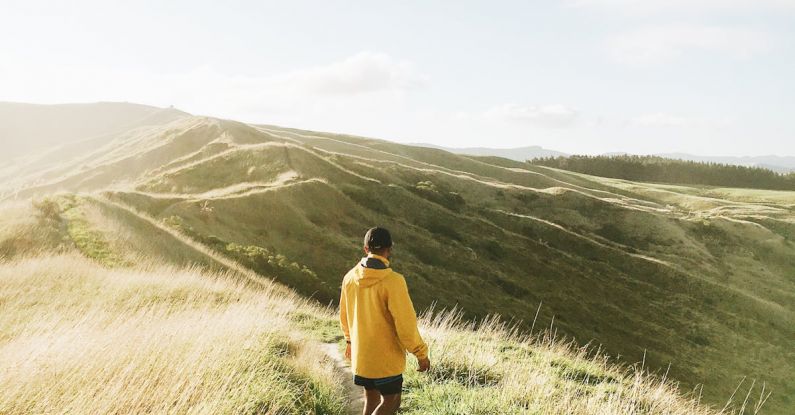
Can Solo Hiking Be Safe and Enjoyable?
Embarking on a solo hiking adventure can be a thrilling and rewarding experience for outdoor enthusiasts seeking solitude and self-discovery. The idea of venturing into the wilderness alone might seem daunting to some, but with proper preparation and precautions, solo hiking can be both safe and enjoyable.
**Embracing Solitude**
One of the most appealing aspects of solo hiking is the opportunity to immerse oneself fully in nature without distractions or interruptions. For many hikers, the chance to disconnect from the hustle and bustle of daily life and spend time alone in the great outdoors is a liberating and rejuvenating experience. Solo hiking allows individuals to set their own pace, follow their own instincts, and truly connect with the natural world around them.
**Safety First**
While solo hiking offers a unique sense of freedom and independence, it also comes with increased risks and challenges compared to hiking in a group. Safety should always be the top priority when venturing out alone into the wilderness. Before setting off on a solo hike, it is essential to thoroughly research the trail, familiarize yourself with the area, and inform someone of your plans and expected return time. Carrying a first aid kit, sufficient food and water, navigation tools, and emergency supplies is crucial for staying safe on the trail.
**Navigating Challenges**
Navigating unfamiliar terrain on your own can be both empowering and intimidating. It is essential to have a basic understanding of map reading and navigation skills to avoid getting lost. Bringing a compass, GPS device, or map of the area can help you stay on course and find your way back to safety if needed. It is also important to pay attention to trail markers, landmarks, and natural features to maintain your bearings while hiking solo.
**Weather Woes**
Weather conditions can change rapidly in the wilderness, posing a significant threat to solo hikers. Keeping an eye on the weather forecast before heading out and being prepared for unexpected changes in conditions is essential for staying safe on the trail. Dressing in layers, packing rain gear, and wearing appropriate footwear can help you stay comfortable and protected from the elements while hiking solo.
**Wildlife Encounters**
Encountering wildlife is a common concern for solo hikers, especially in remote and secluded areas. While the chances of a dangerous encounter are relatively low, it is essential to be prepared and know how to react if you come across wildlife on the trail. Making noise, carrying bear spray or other deterrents, and keeping a safe distance from animals are all important precautions to take when hiking solo in areas known for wildlife activity.
**The Rewards of Solo Hiking**
Despite the challenges and risks involved, solo hiking offers a myriad of rewards for those who are willing to step outside their comfort zone and explore the great outdoors on their own terms. The sense of accomplishment and self-reliance that comes from successfully navigating a trail solo can be incredibly empowering and confidence-boosting. Solo hiking also provides a unique opportunity for introspection, mindfulness, and personal growth as you connect with nature and your inner self in a profound way.
**In Conclusion**
Solo hiking can be a safe and enjoyable experience for those who are well-prepared, cautious, and respectful of the challenges that come with venturing into the wilderness alone. By embracing solitude, prioritizing safety, honing navigation skills, staying aware of weather conditions, and taking precautions against wildlife encounters, solo hikers can embark on memorable and fulfilling adventures that leave a lasting impression on their hearts and minds. So, if you’re seeking a solo adventure that combines self-discovery, tranquility, and a deep connection with the natural world, lace up your hiking boots, pack your backpack, and hit the trail with confidence and enthusiasm.