Can Gps Devices Replace Traditional Navigation Skills?
In today’s technology-driven world, GPS devices have become an integral part of our everyday lives. From getting directions to tracking fitness activities, these devices offer convenience and efficiency in navigating the world around us. But as GPS technology advances, the question arises: Can GPS devices truly replace traditional navigation skills honed over centuries of human exploration and wayfinding?
The Role of GPS in Modern Navigation
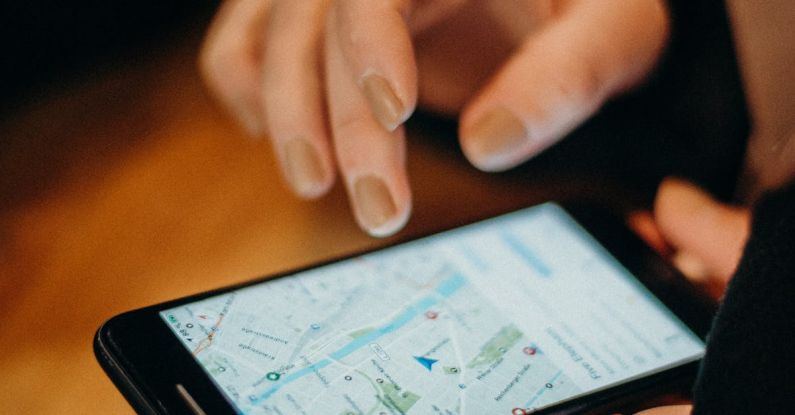
GPS, or Global Positioning System, relies on a network of satellites orbiting the Earth to pinpoint a user’s location within a few meters. This technology has revolutionized how we navigate, providing real-time directions and detailed maps at our fingertips. With features like voice-guided turn-by-turn directions and traffic updates, GPS devices have undoubtedly made getting from point A to point B more accessible and user-friendly.
The Dependence on GPS Technology
In an era where reliance on technology is pervasive, many individuals have grown accustomed to using GPS for all their navigation needs. The convenience of simply inputting an address and following step-by-step instructions has made traditional map reading and compass skills seem obsolete. For some, the thought of navigating without the aid of GPS may induce feelings of anxiety or uncertainty.
The Risks of Overreliance on GPS
While GPS devices offer numerous benefits, there are inherent risks associated with overdependence on this technology. One of the primary concerns is the potential for loss of crucial navigation skills. With GPS handling all the navigational heavy lifting, individuals may not develop or maintain their innate sense of direction, spatial awareness, and map-reading abilities.
Furthermore, reliance on GPS devices can lead to a false sense of security. In the event of a technology failure, such as a drained battery or signal loss, individuals who lack traditional navigation skills may find themselves disoriented and unable to navigate effectively.
The Importance of Traditional Navigation Skills
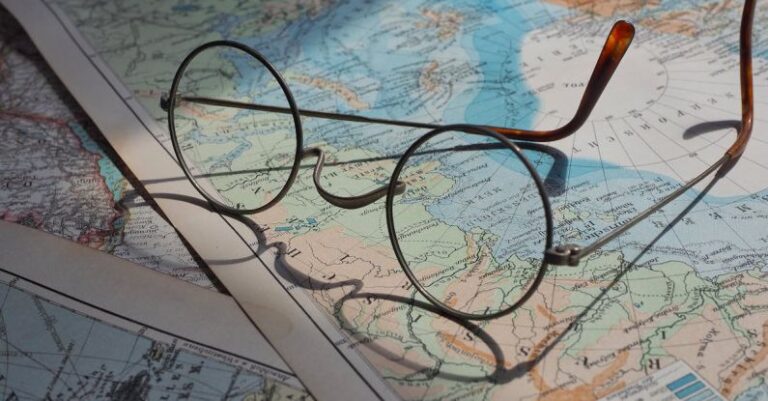
Traditional navigation skills, such as map reading, compass use, and understanding natural landmarks, have been essential tools for explorers, sailors, and outdoor enthusiasts for centuries. These skills not only foster a deeper connection to the surrounding environment but also provide a sense of self-reliance and adventure.
Maintaining proficiency in traditional navigation skills can serve as a valuable backup in situations where GPS technology is unavailable or unreliable. Whether hiking in remote wilderness areas or traveling to regions with limited connectivity, knowing how to navigate using traditional methods can be a lifesaving skill.
Striking a Balance Between GPS and Traditional Navigation
While GPS devices offer unparalleled convenience and accuracy, it is essential to strike a balance between relying on technology and honing traditional navigation skills. By incorporating both GPS technology and traditional methods into our navigational toolkit, we can enhance our overall navigation proficiency and adaptability in various scenarios.
Embracing a hybrid approach to navigation allows us to leverage the strengths of GPS technology while preserving the timeless skills of map reading, compass use, and orienteering. By practicing both modern and traditional navigation techniques, we can navigate confidently and effectively in any environment, whether urban or wilderness.
In summary, while GPS devices have transformed how we navigate the world, they should not entirely replace traditional navigation skills. By embracing a balanced approach that integrates the convenience of GPS technology with the time-tested methods of traditional navigation, we can navigate with confidence and adaptability in an ever-changing world.