Which Cooking Techniques Best Retain Nutrients Outdoors?
As outdoor cooking becomes increasingly popular, many people are looking for ways to retain the maximum amount of nutrients in their meals. Cooking outdoors presents a unique set of challenges compared to indoor cooking, as factors like wind, heat source, and cooking equipment can impact the nutrient content of your food. In this article, we will explore which cooking techniques are best at retaining nutrients outdoors.
Grilling:
Grilling is a popular outdoor cooking method that can help retain nutrients in your food. When grilling, the high heat helps to seal in the juices of the food, preserving the nutrients within. However, it is essential to avoid charring the food, as this can create harmful compounds that may negate the benefits of grilling. To prevent charring, consider pre-cooking your food slightly before placing it on the grill or using a lower heat setting.
Steaming:
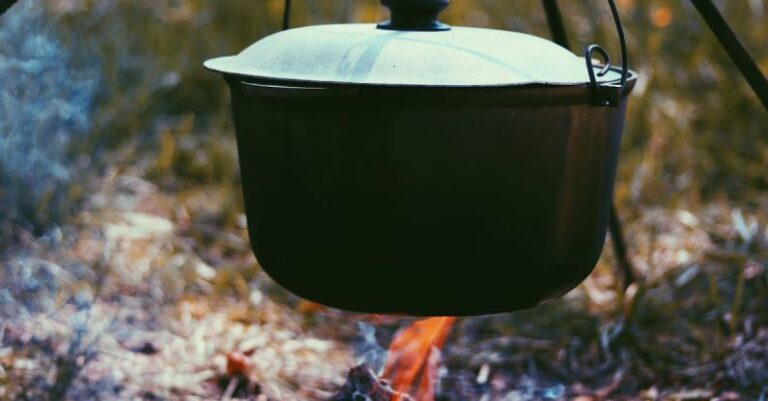
Steaming is another excellent cooking technique for retaining nutrients outdoors. By cooking food with steam, you can preserve the vitamins and minerals that are water-soluble and may be lost during other cooking methods. When steaming food outdoors, be sure to use a tightly sealed container to trap the steam and cook the food evenly. Steaming is particularly effective for vegetables, as it helps to retain their vibrant colors and crisp texture.
Smoking:
Smoking is a flavorful outdoor cooking technique that can also help retain nutrients in your food. When food is smoked, it is cooked slowly over low heat and infused with aromatic wood smoke. This gentle cooking method helps to preserve the natural flavors and nutrients of the food while adding a delicious smoky taste. To maximize the nutrient retention when smoking food, choose lean cuts of meat and avoid using sugary marinades or rubs that can burn and create harmful compounds.
Sous Vide:
Sous vide is a cooking technique that involves vacuum-sealing food in a bag and cooking it in a water bath at a precise temperature. While sous vide may not be the most traditional outdoor cooking method, it is becoming increasingly popular among outdoor cooking enthusiasts. Sous vide is an excellent way to retain nutrients in food, as the precise temperature control helps to prevent overcooking and nutrient loss. To cook sous vide outdoors, you can use a portable sous vide machine or a well-insulated cooler filled with hot water.
Foil Packets:
Foil packets are a simple and effective way to cook food outdoors while retaining nutrients. By wrapping food in aluminum foil and cooking it over a campfire or grill, you can seal in the flavors and nutrients of the ingredients. Foil packets are versatile and can be used to cook a wide variety of foods, from vegetables to meats to seafood. To ensure even cooking and nutrient retention, be sure to seal the foil packets tightly and monitor the cooking time carefully.
Marinating:
Marinating is a great way to add flavor to your outdoor-cooked meals while also helping to retain nutrients. By marinating food in a mixture of herbs, spices, and acidic ingredients like vinegar or citrus juice, you can enhance the taste of the food and help to tenderize tougher cuts of meat. Marinating also helps to create a protective barrier around the food, preventing nutrient loss during cooking. To maximize the benefits of marinating, allow the food to marinate for at least a few hours before cooking.
In conclusion, outdoor cooking offers a unique opportunity to enjoy delicious meals in the great outdoors while retaining the nutrients in your food. By utilizing techniques like grilling, steaming, smoking, sous vide, foil packets, and marinating, you can ensure that your outdoor-cooked meals are both flavorful and nutritious. Experiment with these cooking methods to discover which ones work best for you and enjoy the benefits of nutrient-rich outdoor dining.