What Packing Tips Save Space for Backpack Campers?
Backpack camping is a thrilling adventure that allows you to connect with nature on a whole new level. However, when it comes to packing for a backpacking trip, space is a precious commodity. Every ounce matters, and every square inch counts. To make the most of the limited space in your backpack, it’s essential to pack smartly and efficiently. Here are some packing tips that can help backpack campers save space and lighten their load.
Choose Multi-Purpose Gear
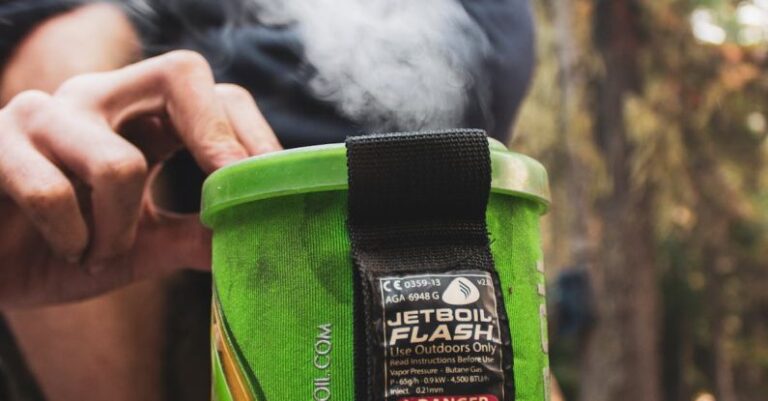
When packing for a backpacking trip, every item you bring should serve multiple purposes. Opt for gear that can be used in different ways to minimize the number of items you need to pack. For example, a lightweight camping stove can double as a pot stand, while a bandana can serve as a towel, sun protection, or a makeshift water filter. By choosing multi-purpose gear, you can save space in your backpack without compromising on functionality.
Pack Lightweight and Compact Items
When it comes to backpack camping, every ounce counts. Choose lightweight and compact versions of essential items such as a sleeping bag, tent, and cookware. Look for gear made from lightweight materials such as silnylon or cuben fiber, which are durable and water-resistant while being incredibly lightweight. Additionally, consider collapsible or foldable items that can be easily packed into tight spaces in your backpack.
Utilize Compression Sacks and Packing Cubes
Compression sacks and packing cubes are essential tools for maximizing space in your backpack. Compression sacks allow you to squeeze bulky items such as sleeping bags or clothing down to a fraction of their original size, freeing up valuable space in your pack. Packing cubes can help you organize and compartmentalize your gear, making it easier to find items quickly and efficiently. By utilizing compression sacks and packing cubes, you can pack more efficiently and keep your gear organized throughout your backpacking trip.
Opt for Trail-Ready Meals
Food is an essential part of any backpacking trip, but it can also take up a significant amount of space in your pack. To save space and weight, opt for trail-ready meals such as dehydrated or freeze-dried foods. These lightweight and compact meals can be rehydrated with hot water, providing you with a quick and easy meal on the trail. Additionally, consider repackaging snacks such as nuts, dried fruit, or energy bars into smaller, more space-efficient containers to reduce bulk in your pack.
Minimize Clothing and Personal Items
When it comes to clothing and personal items, less is more when backpack camping. Pack only the essentials and choose items that can be layered for versatility in changing weather conditions. Opt for lightweight and quick-drying clothing that can be washed and dried easily on the trail. Additionally, consider leaving non-essential personal items at home to save space and weight in your pack. Remember, you can always re-wear clothing or purchase items along the way if needed.
Conclusion: Embrace the Minimalist Mindset
Packing for a backpacking trip is all about embracing the minimalist mindset. By choosing multi-purpose gear, packing lightweight and compact items, utilizing compression sacks and packing cubes, opting for trail-ready meals, and minimizing clothing and personal items, backpack campers can save space in their packs and lighten their load. With careful planning and smart packing strategies, you can make the most of the limited space in your backpack and fully enjoy the beauty of the great outdoors on your next adventure.