How Can You Navigate Without a Compass in the Wild?
Navigating without a Compass in the Wild
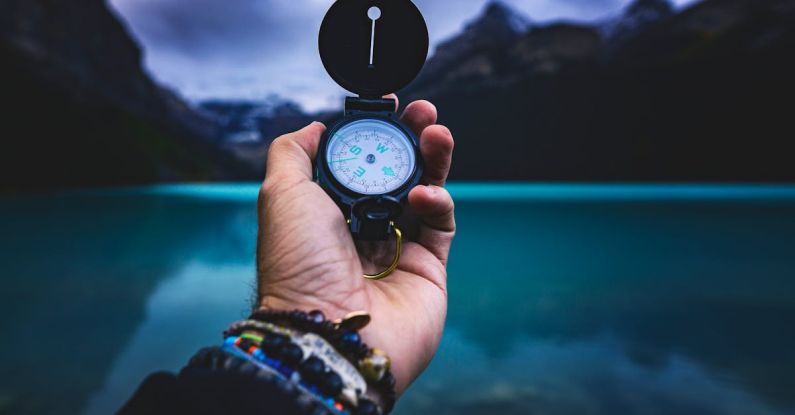
Picture this: you’re out in the wilderness, surrounded by towering trees and vast open spaces, with no sign of civilization in sight. The sun is starting to set, and you realize that you’ve lost your compass. Panic sets in as you try to figure out how you’re going to find your way back to safety. But fear not, navigating without a compass in the wild is possible if you know the right techniques. In this article, we will explore some strategies that can help you find your way when you’re off the beaten path.
Understanding Nature’s Clues
When you find yourself without a compass, it’s essential to pay attention to the natural world around you. Nature provides several clues that can help you determine direction and navigate your way through the wilderness.
The Sun and Shadows
One of the most reliable ways to determine direction is by using the sun. In the Northern Hemisphere, the sun always rises in the east and sets in the west. By observing the position of the sun in the sky, you can roughly estimate the cardinal directions. Additionally, you can use shadows to determine direction. Place a stick upright in the ground and mark the tip of the shadow cast by the sun. Wait for 10-15 minutes and mark the tip of the shadow again. A line drawn between the two points will roughly align east-west.
Natural Navigation Markers
Nature is full of clues that can help you navigate without a compass. Pay attention to the growth patterns of trees – branches tend to grow more abundantly on the southern side of trees due to sun exposure. Moss also tends to grow on the northern side of trees in the Northern Hemisphere. By observing these natural markers, you can gain insights into your surroundings and determine direction.
Navigating by Stars
On a clear night, the stars can serve as reliable navigational aids. The North Star, also known as Polaris, is located very close to the North Celestial Pole. By finding the North Star, you can determine true north. Additionally, the Big Dipper can help you find the North Star – simply follow the line formed by the two outer stars of the Big Dipper to locate Polaris.
Utilizing Landmarks and Topography
When navigating without a compass, it’s crucial to pay attention to landmarks and topographical features. If you have a map, try to identify prominent landmarks such as mountains, rivers, or distinctive rock formations. By using these landmarks as reference points, you can create a mental map of your surroundings and navigate with more confidence.
Trusting Your Instincts
In challenging situations where you’ve lost your way, it’s essential to trust your instincts. Take a moment to pause, observe your surroundings, and listen to your inner voice. Sometimes our instincts can guide us in the right direction, even when logic fails us. Stay calm, focus on the present moment, and believe in your ability to find your way back to safety.
Adapting to Changing Conditions
Navigating without a compass requires adaptability and resourcefulness, especially in unpredictable wilderness environments. Weather conditions can change rapidly, affecting visibility and your ability to navigate. Be prepared to adjust your navigation strategies based on the changing conditions. Stay alert, stay flexible, and be willing to try different approaches to find your way.
Embracing the Journey
Navigating without a compass in the wild can be a challenging yet rewarding experience. It forces you to rely on your instincts, sharpen your observational skills, and connect with the natural world in a deeper way. Instead of viewing it as a setback, see it as an opportunity to test your resilience and adaptability. Embrace the journey, stay present in the moment, and trust that you have the skills and intuition to find your way through the wilderness.
In conclusion, navigating without a compass in the wild is possible with the right knowledge and mindset. By utilizing nature’s clues, trusting your instincts, and adapting to changing conditions, you can confidently navigate through the wilderness and find your way back to safety. So the next time you find yourself without a compass, remember that the wilderness is full of wonders waiting to guide you on your journey.