How Can Scouts Learn Basic Sewing Skills for Patches?
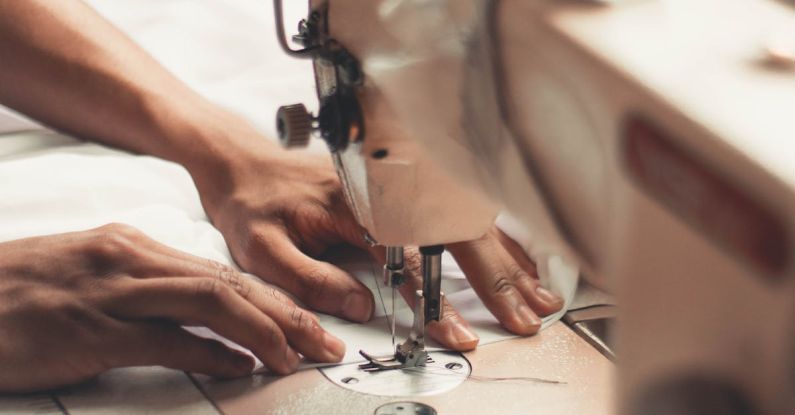
Scouting is not only about exploring the great outdoors and learning survival skills but also about acquiring practical abilities that can be useful in everyday life. One of these essential skills is sewing, particularly when it comes to attaching patches to uniforms. While it may seem like a daunting task for beginners, learning basic sewing skills for patches can be a fun and rewarding experience for scouts of all ages.
**Starting with the Basics**
Before diving into the world of sewing, it’s important to familiarize yourself with the basic tools and materials needed for the task. A sewing kit typically includes needles, thread, scissors, pins, and a thimble. It’s also helpful to have a small piece of fabric to practice on before working on the actual uniform.
**Understanding Different Types of Patches**
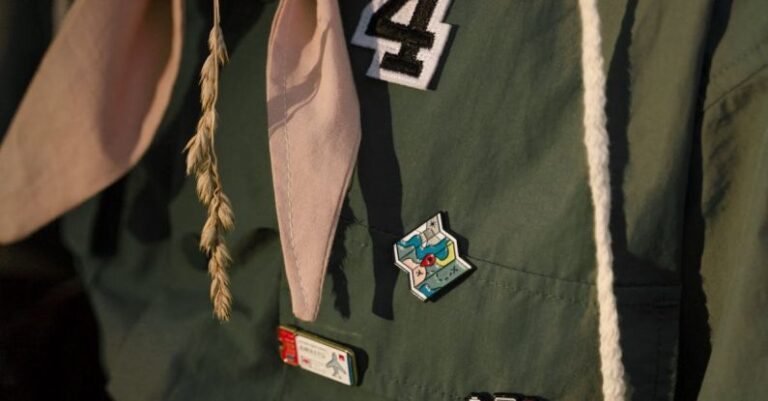
There are various types of patches that scouts may need to attach to their uniforms, including merit badges, troop numbers, and special event patches. Each type of patch may require a slightly different sewing technique, so it’s crucial to understand the differences before getting started.
**Choosing the Right Stitch**
When it comes to sewing patches onto a uniform, the most commonly used stitch is the basic running stitch. This stitch is simple yet effective in securing patches in place. To create a running stitch, bring the needle up through the fabric and then back down in a straight line, repeating this process until the patch is securely attached.
**Securing the Patch**
Before starting to sew, it’s essential to position the patch correctly on the uniform. Use pins to hold the patch in place and ensure that it is straight and centered. Once the patch is secured, thread the needle and knot the end of the thread to prevent it from coming loose while sewing.
**Taking Your Time**
Sewing patches onto a uniform requires patience and precision. It’s important to take your time and sew carefully to ensure that the patch is securely attached and looks neat. Rushing through the process can result in crooked patches or loose stitching, which may need to be redone.
**Practice Makes Perfect**
Like any skill, sewing takes practice to master. Scouts can improve their sewing skills by working on small projects, such as repairing torn seams or hemming pants. The more they practice, the more confident they will become in their sewing abilities.
**Seeking Guidance**
For scouts who are new to sewing, seeking guidance from more experienced sewers can be invaluable. Scout leaders, parents, or older scouts who have mastered the art of sewing can provide helpful tips and techniques to improve sewing skills. Don’t be afraid to ask for help when needed.
**Staying Organized**
Keeping a well-organized sewing kit can make the sewing process much smoother. Store needles, thread, scissors, and other sewing supplies in a designated container to prevent them from getting lost or misplaced. A portable sewing kit is ideal for scouts who may need to sew patches while on camping trips or other outings.
**Conclusion: Mastering the Art of Sewing**
Learning basic sewing skills for patches is a valuable skill that can benefit scouts both in and out of the scouting world. By starting with the basics, understanding different types of patches, choosing the right stitch, and practicing regularly, scouts can become proficient sewers in no time. With patience, practice, and a willingness to learn, scouts can master the art of sewing and proudly display their hard-earned patches on their uniforms.